
21 Nov 2026
Wash Fleece Without Flattening the Pile
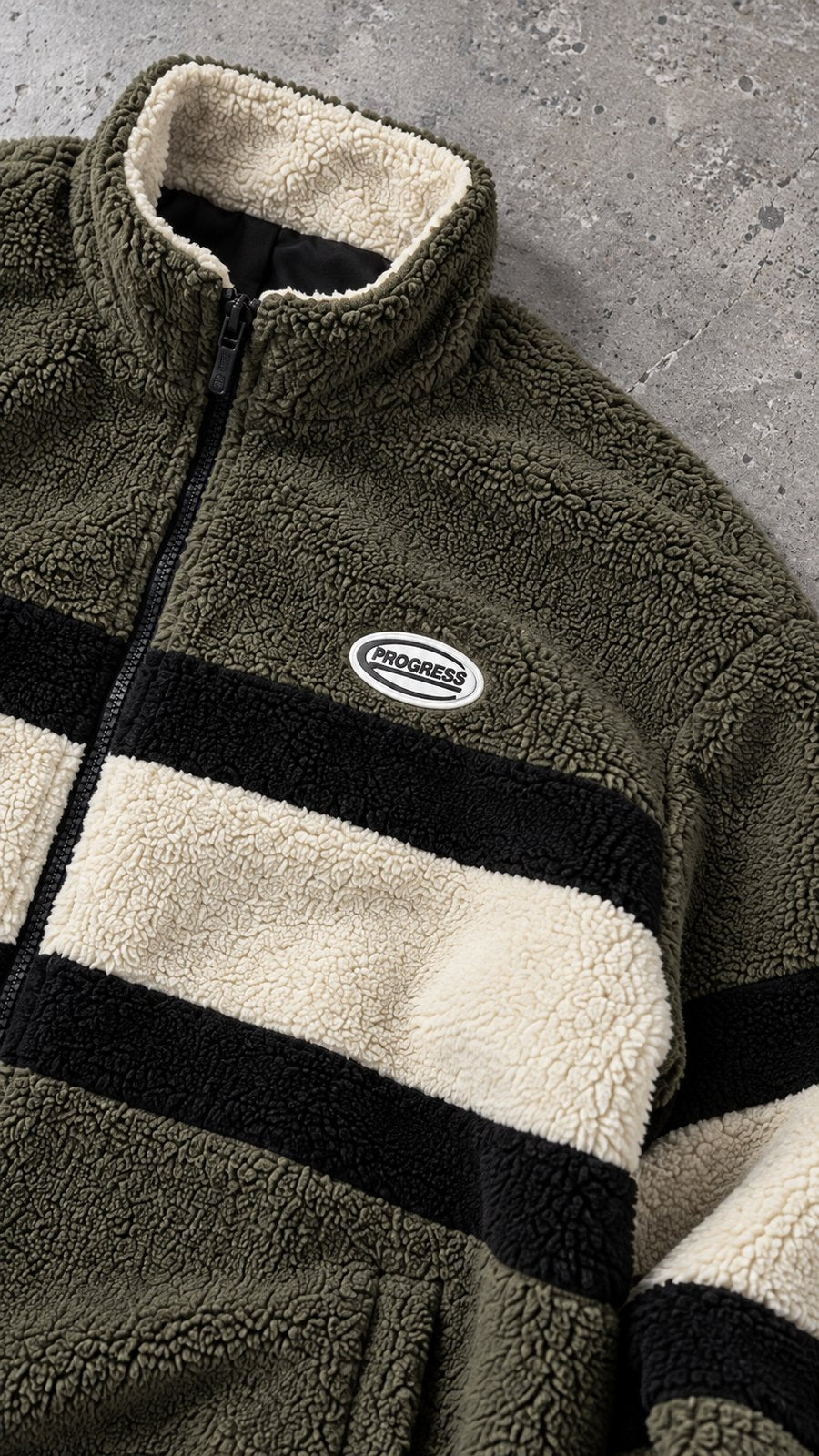
Wash Fleece Without Flattening the Pile
Keep fleece pile from flattening by reducing abrasion, excess heat and pressure during care. Read the label first, wash with compatible soft items and dry only in the permitted way. The raised surface is part of the fabric construction and cannot always be restored after severe matting.
Focus on preventing repeated rubbing. The inner elbows, cuffs and sides beneath other layers experience the most contact in normal wear.
Inspect the pile before washing
Lay the fleece in good light and look for areas that feel smoother or flatter than the chest. Separate the fibres with your fingertips and compare their height. Some changes are simply pile direction, while hard clumps that do not part easily indicate more persistent matting.
Make a quick note of the condition before washing. That prevents confusing existing abrasion with damage caused by the latest cleaning cycle. Do not scrub a worn patch to 'test' it.
Reduce friction in the machine
Close zips and turn the fleece inside out if the care instructions permit. Wash with similarly soft fabrics, avoiding hook-and-loop fasteners or rough objects that can catch the pile. Use a programme that matches the care tub symbol and do not overload the drum.
The aim is enough water movement for cleaning without unnecessary mechanical rubbing. A gentle setting does not excuse ignoring the actual temperature or drying restrictions on the label.

Handle wet fleece without crushing it
Remove the garment from the drum promptly and shake it lightly to release folds. Do not wring a fleece jacket into a tight rope. Pressing it hard may flatten the surface and put unnecessary stress on seams.
Arrange it according to the natural-drying instructions or use a permitted dryer setting if the label allows one. High uncontrolled heat can change synthetic fibres and finishes, so never use extra heat as a shortcut to a soft pile.
Deal with small flattened areas
Once dry, separate lightly matted fibres with your fingers or a suitable very soft brush, testing on an inconspicuous area first. Work gently and stop if fibres pull loose. A small improvement in surface direction is realistic; rebuilding damaged pile is not.
Compare that section with undamaged fabric on the inside collar. The difference helps you recognise when the issue is dirt or pile orientation and when the fibres themselves have changed.

Protect the fleece during daily layering
A narrow outer jacket can press the fleece at the shoulders and elbows every time you move. Choose enough sleeve space and allow the garment to air after wearing. Continuous rubbing beneath tight straps or another layer adds wear even if laundering is careful.
Browse the fleece jackets category for different pile forms and the outerwear range for suitable layering shapes. Fit and care work together; one cannot completely make up for the other.
Before washing fleece, close all neighbouring zips and turn abrasive surfaces away from the pile. A hook-and-loop patch can catch the fibres even if the wash temperature is correct. After the garment dries, look at the elbows and the area beneath bag straps. Those high-contact zones can flatten independently of laundering. Do not scrape them aggressively with a sharp tool just to recover a fluffy appearance.

Frequently Asked Questions
Does fleece become matted only from washing?
No. Daily friction and compression can flatten the pile as well. Check high-contact areas such as elbows and cuffs.
Can a hot dryer restore fleece softness?
Do not use unapproved heat. High temperatures can damage fibres and finishes rather than restoring their structure.
Should I brush fleece while wet?
Avoid aggressive brushing of wet pile. Follow the care process, let it dry correctly and assess whether light separation is needed.
Why do fleece elbows look shiny?
Repeated contact can compress raised fibres and change light reflection. It is not necessarily a sign of a different dye.
Can I wash fleece with rough denim?
It is better to avoid abrasive loads when protecting pile. Follow the garment label and group soft textiles where practical.
Related reading: Wash a Heavyweight Hoodie Without Distorting Its Shape and Fleece Pile Height and Density: Two Different Properties.