
10 Nov 2026
Why a Boxy Cut Looks Different at Different Heights
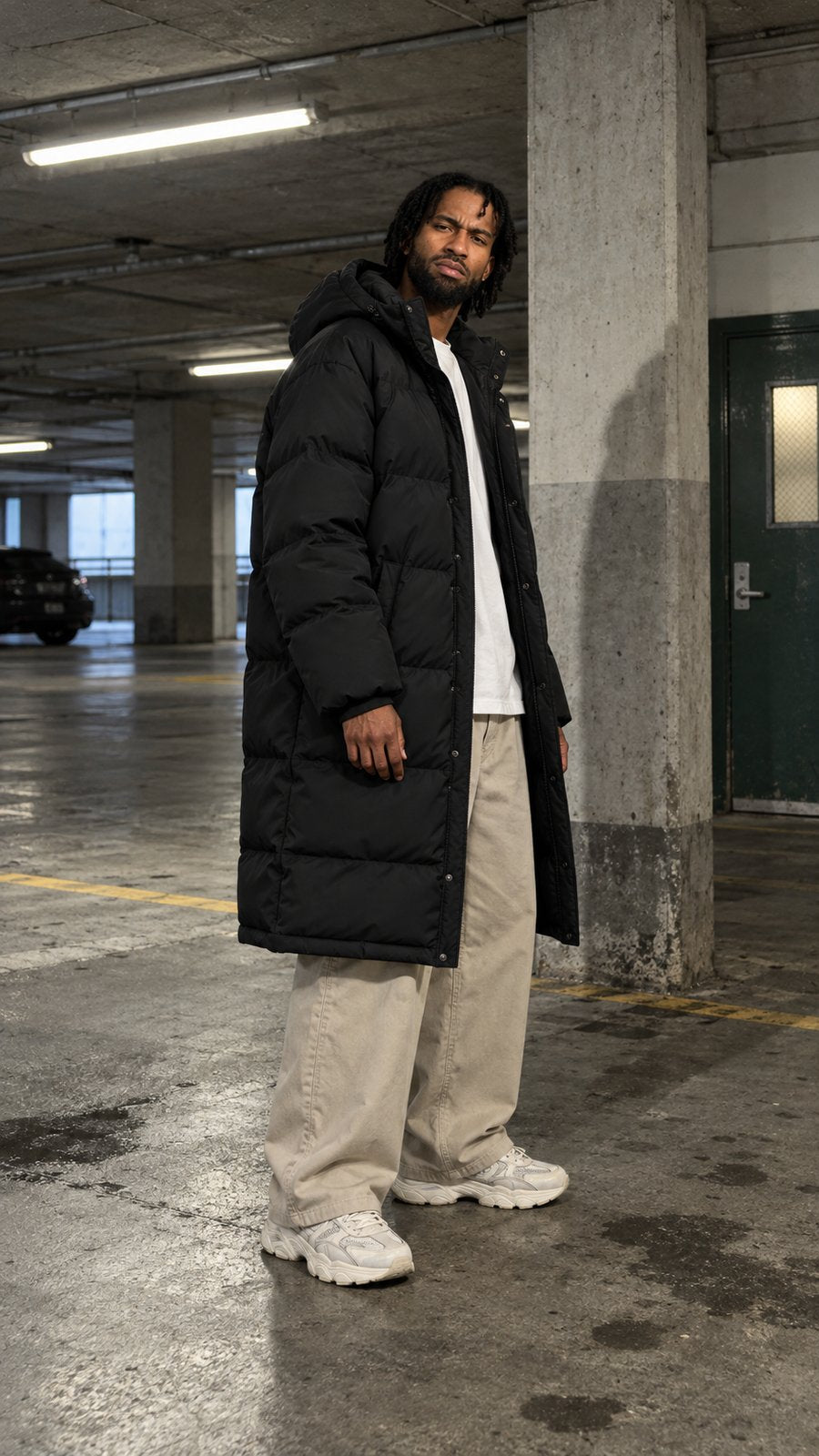
Why a Boxy Cut Looks Different at Different Heights
A boxy cut can look different at different heights because the garment's width and length cover different proportions of the person underneath. The same body length may stop near one wearer's waist and nearer another's hip.
Height is one variable, but torso length, arm length and preferred waistband position also matter. Compare garments against your own reference measurements, not an image of a model with unknown proportions.
Start with torso length rather than total height
Measure a top that sits where you like, from the high point beside the neck to the hem. Two people of equal height can have different torso lengths, so one universal chart of body height cannot predict hem position.
Hold a tape vertically against the centre front of your own reference top and note where the bottom lands. Compare that value with the published garment length when available.
Use width as a ratio to length
A boxy look comes from a broad body relative to its length. A hoodie that is 65 centimetres long and very wide can look square on one wearer; on another with a shorter torso it may cover more of the hips and appear long. The measurements are fixed while the visible proportions change.
Place the hoodie flat and compare chest width and body length as two independent values. The hoodies and sweaters page gives the appropriate category for reviewing these shapes without guessing from a size letter.

Check the effect of sleeve reach
Shorter and taller wearers may experience the same dropped shoulder differently. A shoulder join sits lower on one upper arm, and the sleeve may reach beyond one wrist while stopping above another. Measuring from centre back neck to cuff captures the combined shoulder and sleeve path.
Test reach with arms down and forward. Do not choose a dramatically larger torso solely to lengthen a sleeve unless the other dimensions still work for you.
Compare photographs from the same height
Photograph the whole person with the camera level around the middle of the torso. Shooting upward makes lower limbs seem more prominent. Shooting down can enlarge the upper body. Those changes can be mistaken for garment fit differences.
Stand at a fixed distance and use consistent footwear. If you compare two sizes, change only the top. This makes hem coverage, width and sleeve reach much easier to judge.

Adapt outerwear without losing the intended cut
A wider jacket may hang differently over a boxy hoodie on two people with different shoulder and torso measurements. Try the full layer and see whether the outer hem covers the hoodie or stops above it. The desired boundary is a styling choice; ease of movement remains a fit requirement.
Compare suitable shapes within the jackets category after determining the top's actual dimensions. A photographed silhouette is a reference, not an exact fit promise for every wearer.
When comparing two body heights, use garment measurements rather than scaling photographs. Record the top's finished body length and the wearer's reference torso length, then look at how far the hem covers the waistband. Keep the sleeve measurement separate: a boxy top may be wide enough but have cuffs that stop short on longer arms. A comfortable personal reference item gives a more reliable benchmark than another person's height.

Frequently Asked Questions
Should a shorter person avoid boxy hoodies?
No. Compare chest width, body length and sleeve reach against a garment that fits as intended. Height alone does not decide the outcome.
Why does the same hoodie hem land differently on two people?
Their torso lengths and wearing positions differ. A fixed garment length covers a different section of each body.
Is width-to-length ratio more useful than size letter?
It helps describe the cut. You still need actual garment measurements to know where the edges will sit.
Can sleeve length be judged from total height?
Not precisely. Arm length and shoulder construction vary, so measure sleeve reach separately.
Do model photos reliably show how cropped an item will be on me?
They show one fit on one body at one camera angle. Compare measurements and a personal reference top for a more dependable decision.
Related reading: Why Hem Height Changes the Apparent Leg Length and Negative Space: The Gap Between Arm and Torso.