
06 Nov 2026
Walk, Sit, Squat: Test Tracksuit Range of Motion
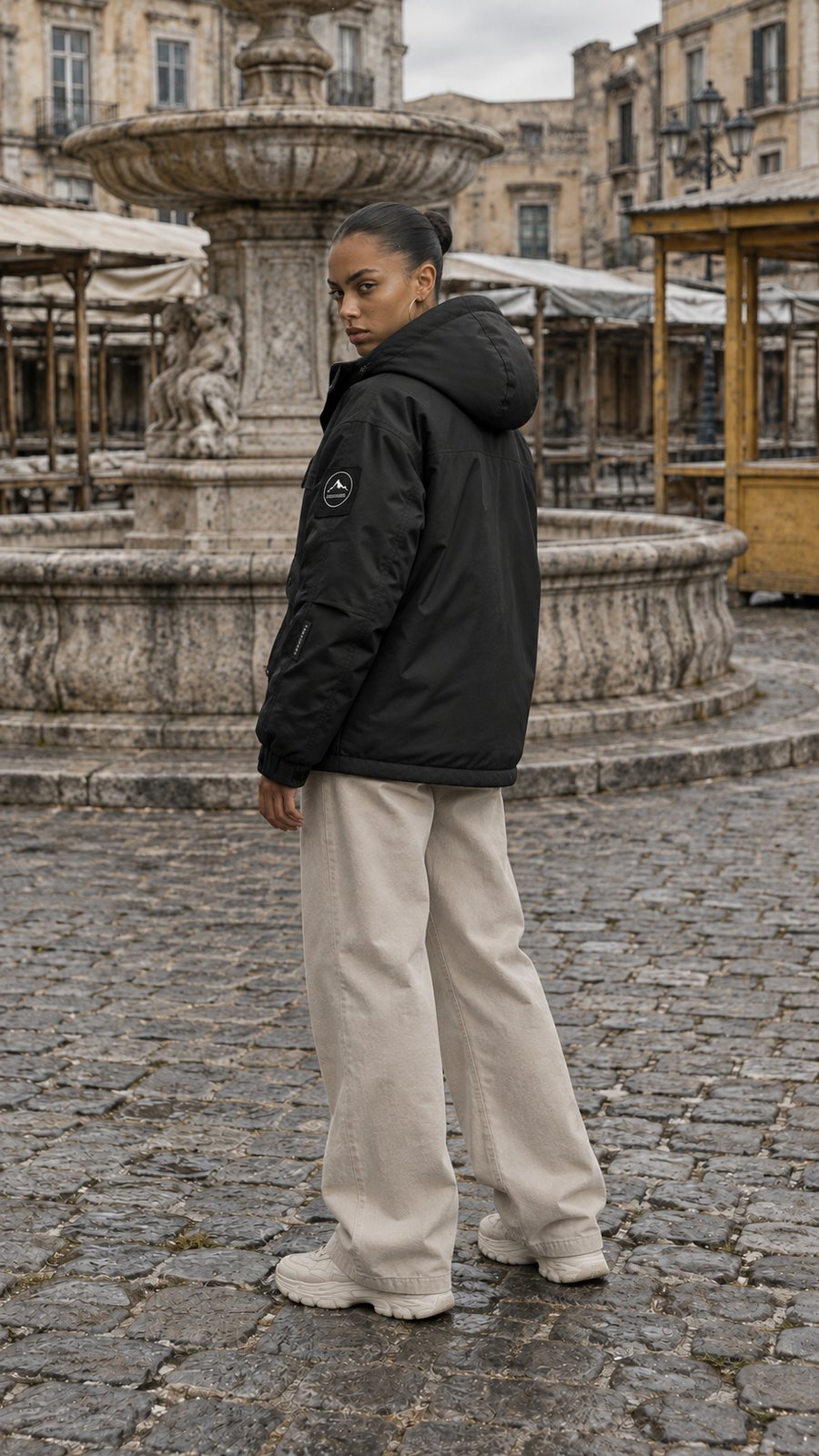
Walk, Sit, Squat: Test Tracksuit Range of Motion
A three-movement check is a practical way to assess tracksuit fit. Walk, sit and squat. Each action loads a different part of the garment, revealing restrictions that disappear in a straight standing pose.
Keep the top zipped to your normal level and the trousers at their intended waist height. Then observe where the fabric pulls rather than labelling the entire suit too small.
Walk to check ordinary movement
Take ten comfortable steps. Watch how the trouser hem moves around the shoe and whether the waistband stays level. A narrow leg opening may catch on the calf, while an overly long open hem may move under the heel.
Check the jacket at the same time. If the lower edge swings freely, that is different from a hem that grips and rides upward. The walking test reveals repeated motion without requiring athletic exertion.
Sit to test the rise and waistband
Sit on a stable chair with both feet on the ground. The crotch and thigh fabric need enough room to bend around the hips. Notice if the waistband rolls or the back rises sharply. A comfortable standing size can still have an unsuitable rise.
On the upper body, watch whether the track jacket gathers at the stomach. A stiff full-front zip can create a fold when seated; that is a different issue from a tight chest.

Squat in a controlled range
With feet stable, bend the knees and hips to a comfortable depth. Stop if movement feels restricted. Look for pulling across the seat, under the crotch and above the knees. The aim is to see whether the pattern accommodates bending without concentrating strain at a single seam.
A deep squat is not required to prove normal use. Choose the depth you are comfortable performing. The relevant observation is where resistance begins, not how low you can go.
Check each problem separately
If the trousers pull during squatting, inspect rise, thigh width and stretch rather than changing the jacket size. If the track top tightens when sitting but the trousers remain stable, check the zip, body length and hem finish.
Options in the tracksuits range can differ on each measurement. Do not assume the same size change solves two unrelated restrictions.

Repeat after adding a layer
Try the same movement series with a light outer garment. A jacket can reduce the room available to the track top at the shoulders, while the trousers remain unchanged. This identifies the effect of layering rather than a flaw in the base set.
Record the movements and the precise pressure points. That turns a vague fit impression into a useful shopping note for future cuts and sizes.
Use a consistent three-part movement test. Walk with your normal stride, sit fully in a chair without adjusting the waistband, and squat only as deeply as is comfortable. The first reveals ankle drag, the second exposes pulling through the rise, and the third shows tension at the knee and seat. A trouser that looks loose while standing can still restrict one of these motions. Check the waistband after each position. If you must repeatedly pull the trousers back into place, the rise or elastic tension may be inappropriate even though the leg panels allow movement.

Frequently Asked Questions
Which movement should I test first in track pants?
Walk normally before sitting or squatting. It reveals ankle, hem and waistband behaviour under repeated everyday motion.
Why do track pants pull only when I sit?
The rise and thigh fabric need to travel around bent hips. Standing measurements may not reveal that demand.
Is a full squat necessary to assess the fit?
No. Use a comfortable controlled bend and stop when resistance appears.
Can a track jacket fit standing but restrict sitting?
Yes. The hem and front zip can fold or press at the waist when the torso bends.
Should I test a tracksuit with outerwear?
If you will wear a jacket over it, yes. Test the base set first, then see which changes come from the added layer.
Related reading: Raised Arms Test: Find Shoulder Restriction in a Tracksuit and Stretch and Recovery: A Fabric Movement Check.