
10 Nov 2026
Why Track Pants Rise When You Bend
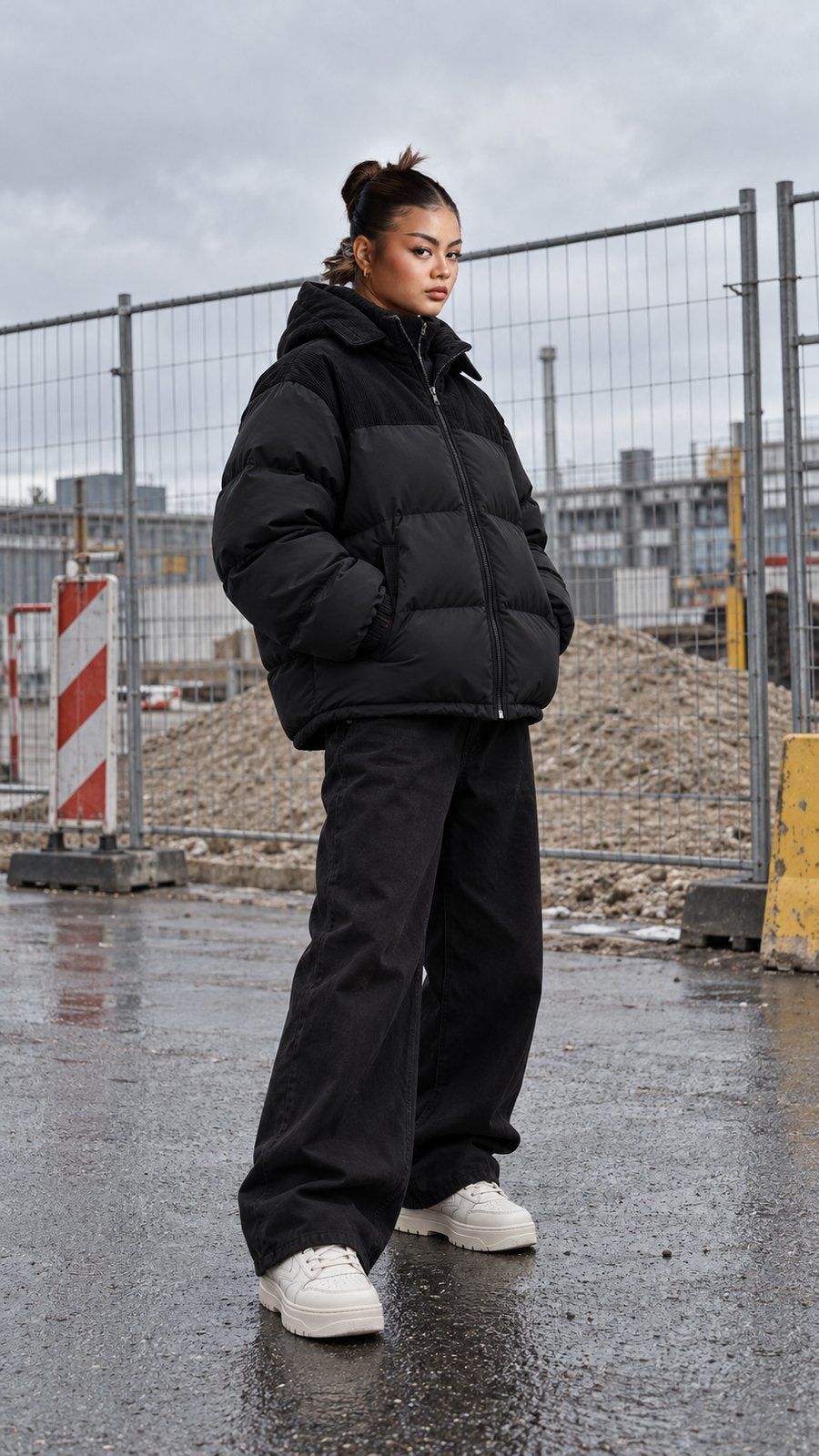
Why Track Pants Rise When You Bend
Track pants rise when you bend because fabric is pulled around the knee and hip. Part of the trouser length shifts upward as the joints flex. A low rise, narrow thigh or restricted knee area can increase that movement.
Measure the trousers while flat, but judge the effect while moving. Inseam length alone cannot explain why a waistband or cuff changes position.
Watch the fabric at the knee
Stand straight and note the hem position. Bend one knee toward a low step and look at the fabric stretching over the front of the joint. Extra cloth is drawn from nearby areas, which can lift the ankle opening temporarily.
A stretchy knit and a firm woven material may respond differently. Check where diagonal tension creases form rather than assuming all vertical movement is caused by insufficient inseam.
Check the crotch and rise
Sit down and observe whether the waistband dips at the back or pulls forward. The rise has to bridge the body's bend. If it is too short for your movement, force can travel upward through the legs or concentrate at the crotch seam.
A higher waistband does not automatically solve the problem if the upper hip and thigh pattern remain restrictive. Inspect the whole shape from waistband to knee.

Compare cuffs with open hems
A fixed elastic cuff may stay at the ankle while the trouser fabric bunches above it. An open hem can slide up the shoe as the leg bends. Both reflect the same demand for extra fabric around moving joints, but the visible outcome differs.
Try the two forms under the same movement. The tracksuits collection includes leg shapes worth comparing separately from overall set sizing.
See whether stretch recovers
After straightening the leg, the fabric should settle toward its relaxed position. A pocket of persistent looseness at the knee can suggest reduced recovery or accumulated folds. Smooth it once and repeat the motion to see if the pattern changes consistently.
Do not yank the hem down during every step of the test. Observe how the garment behaves on its own before deciding whether it needs a different length or shape.

Choose room where the motion happens
If the rise pulls, prioritise crotch depth and hip room. If the knee creates sharp tension, inspect leg width and fabric stretch in that section. If the cuff catches on the shoe, the ankle opening may be the main constraint.
Changing a jacket above the trousers cannot solve those lower-body problems. Diagnose the specific point so you can choose a track-pant cut that supports your normal range of movement.
Stand straight and note where the track trouser hem rests. Bend at the hip and knee, then compare its new height above the shoe. The trouser leg follows the moving knee and seat, so it can rise even when the original inseam is correct. A very low hanging crotch may change that movement differently from a closer rise. Judge the standing and bent positions together. Compare trousers with different rises only when the waistbands sit at similar points on your body. Otherwise two variables have changed at once. Pulling the waistband lower can increase apparent leg length in one position while worsening the rise and seat fit when you bend. Check for comfort rather than manipulating the waistband to create a particular fold.

Frequently Asked Questions
Is it normal for track pants to rise when sitting?
Some fabric shift is normal as hips and knees bend. Excessive pulling may indicate a rise or leg-width problem.
Can a long inseam fix tight thighs?
No. Inseam length adds vertical fabric; it does not create room around the thigh.
Why do cuffed pants bunch during a squat?
Elastic holds the ankle while the bent leg draws fabric toward the knee. Spare material collects above the cuff.
Should track pants return to position after bending?
They should settle reasonably toward their relaxed shape. Persistent bagging may be a separate recovery issue.
Can shoes cause track-pant hems to rise?
Yes. A hem can catch on a shoe collar or tongue. Check footwear interaction alongside the trouser pattern.
Related reading: Stretch and Recovery: A Fabric Movement Check and Side Panels in Track Pants: More Than a Stripe.