14 Nov 2026
Windproof Does Not Mean Waterproof
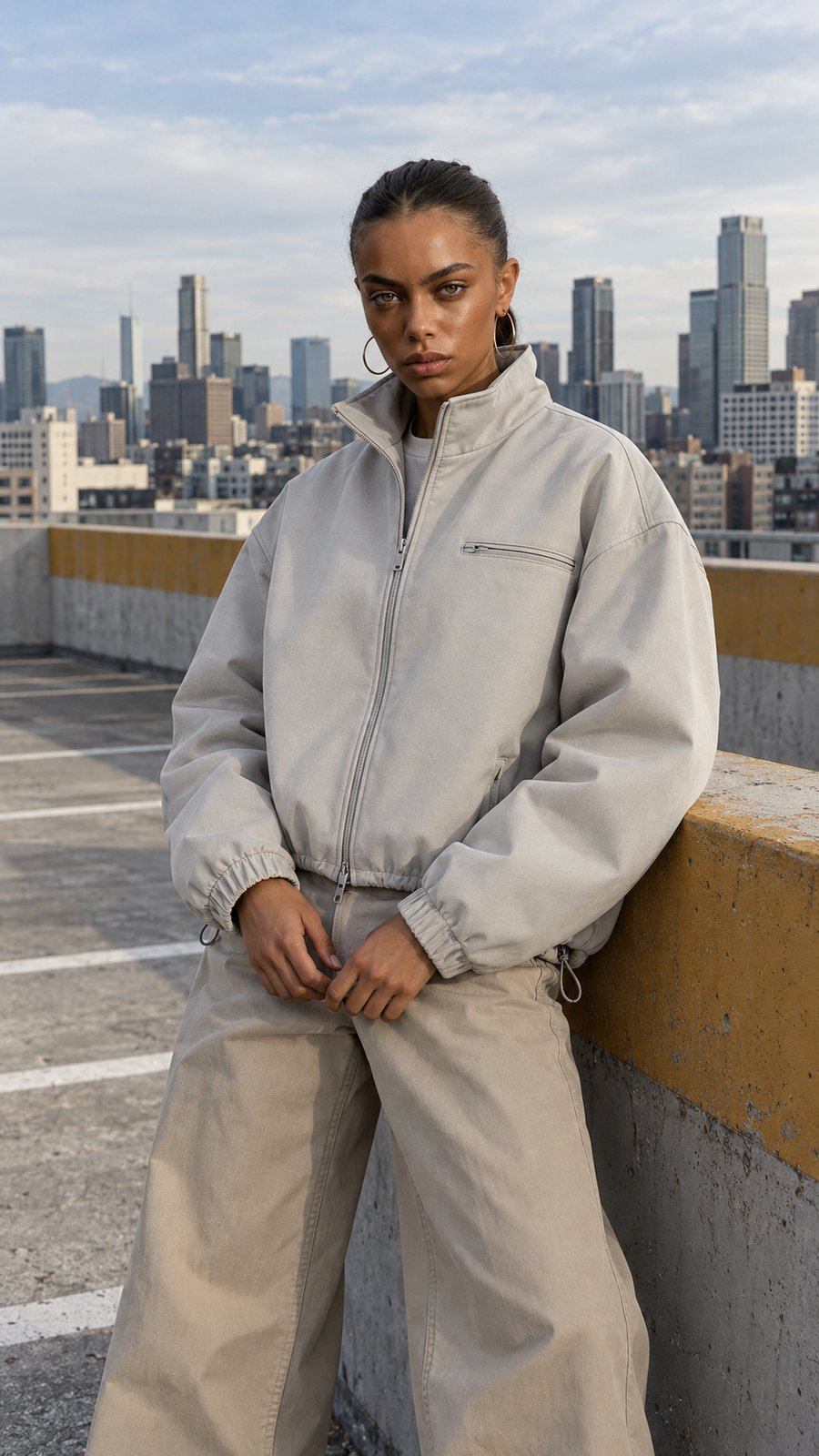
Windproof Does Not Mean Waterproof
Windproof and waterproof refer to different barriers. A tightly woven jacket can block much of the wind and still allow sustained rain through. Waterproof construction needs a suitable fabric system and attention to seam and opening details.
Do not infer either property from surface shine or a water-beading photograph. Read explicit performance information before choosing a jacket for wet weather.
See how wind and water behave differently
Wind is moving air that can pass through openings or permeable cloth. Rain is liquid water that can wet the fabric face and pass through weak points. A garment may reduce air movement effectively without preventing water penetration under rain exposure.
The reverse can also involve trade-offs because breathability, vents and closure design affect comfort. Judge the complete garment for the conditions rather than using one adjective as a substitute for another.
Look beyond a tightly woven shell
A dense woven nylon or polyester shell can be highly resistant to breezes. It may also shed a brief light shower if treated, but that is not the same as a verified waterproof barrier. Check whether the description claims water resistance, water repellency or waterproof performance.
A lightweight outer jacket can still be useful in dry wind. Do not reject it because it lacks a rain specification if your actual need is shelter from airflow rather than prolonged precipitation.

Inspect openings and seams
Rain can enter at a poorly protected front closure, pocket opening or unsealed stitch line. A waterproof material alone does not make every seam and fastening watertight. Look for verified seam protection where the garment is intended for sustained rain.
For the jacket range, compare construction descriptions with the weather you expect. The presence of a hood also does not prove that the fabric below it resists heavy rain.
Understand surface beading
A water-repellent face finish can cause droplets to roll off. That effect is useful, but a beading test alone does not establish a waterproof rating. The finish can also change with wear and washing.
Check care instructions before refreshing any treatment. Some finishes require specific products and procedures, and heat is not universally permitted for every shell.

Choose the layer for conditions
For cool dry wind, a wind-resistant shell over suitable insulation may be enough. For sustained wet conditions, choose verified rain protection and pay attention to seams and closures. For active use, consider ventilation as well as the barrier.
A fleece mid layer can provide warmth inside either system, but it should not be treated as a substitute for the outer protection when rain is expected.
Separate three claims you might find in garment descriptions. Windproof refers to resisting moving air. Water-repellent describes water beading on the surface. Waterproof performance requires an appropriate water barrier and construction, including attention to seams and openings. Put a question mark next to any jacket description that swaps one term for another. A light windbreaker can be suitable for dry wind without being a rain shell. If an item has a water-repellent finish, inspect whether the coating is only on the surface or part of a specified waterproof system. The performance of stitched openings also needs separate evidence. A few droplets on a tabletop cannot simulate prolonged rain. Read the technical description before calling a shell waterproof.

Frequently Asked Questions
Will a windbreaker keep out heavy rain?
Not unless it is also constructed and specified for that use. Wind resistance alone is not proof of waterproofing.
Does a shiny jacket surface mean it repels water?
No. Shine is a visual property; water performance must be established separately.
Can rain enter through jacket stitching?
Yes. Needle holes can create paths unless protected by a suitable seam system.
Is water-repellent the same as waterproof?
No. Repellency describes water beading at the face; waterproof performance involves a broader barrier system.
Can a waterproof jacket still need ventilation?
Yes. Activity can create heat and moisture inside, so adjustable openings can matter for comfort.
Related reading: Fleece as a Mid Layer Under a Shell and Zipped Ankles Versus Fixed Leg Openings.