27 Oct 2026
Choosing Between Two Sizes in an Oversized Cut
Choosing Between Two Sizes in an Oversized Cut
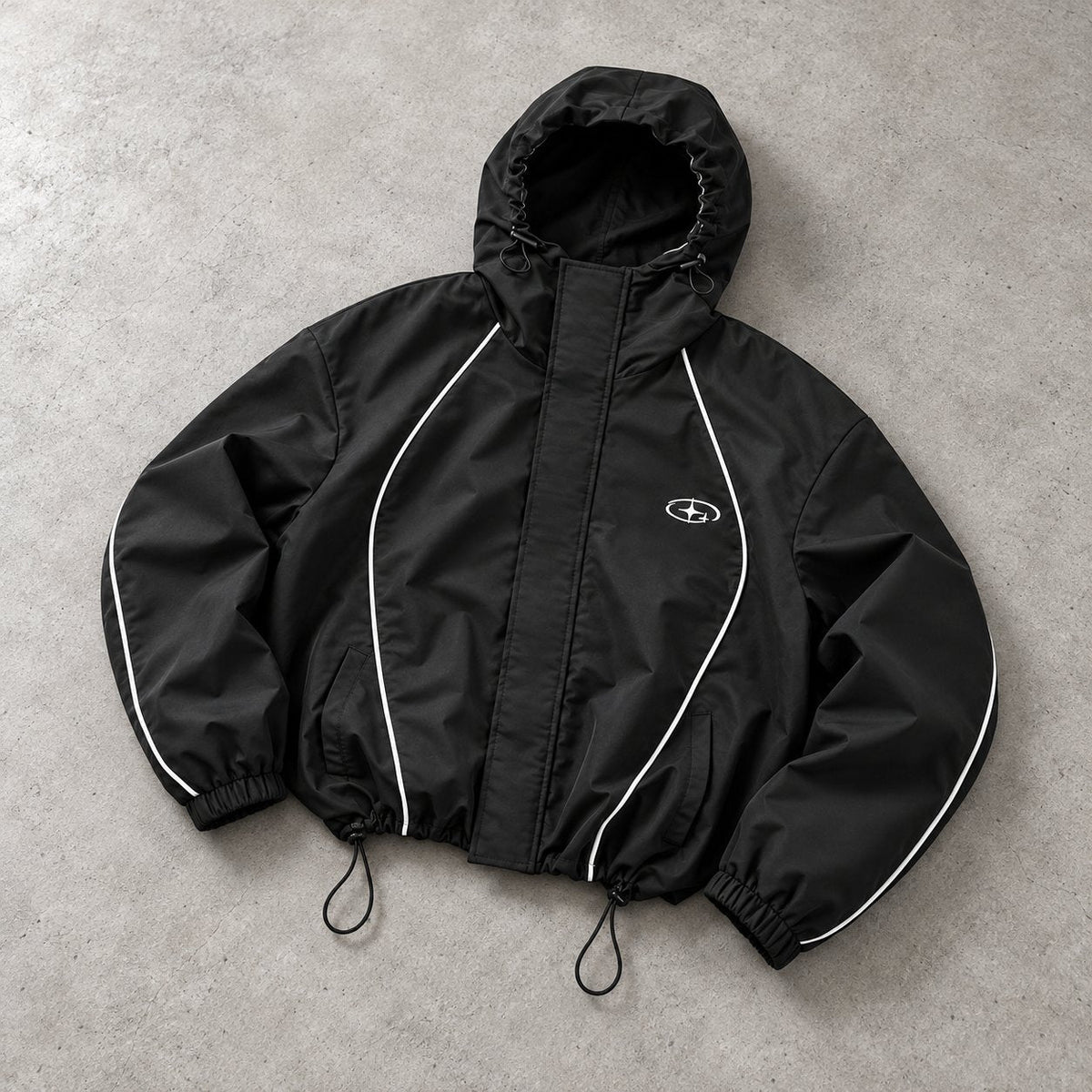
When you sit between two oversized sizes, compare body length and sleeve reach before adding more chest width. The smaller size may already include the loose fit the pattern was designed to produce. A larger size changes every dimension, not only how relaxed the body feels.
Start with a hoodie or jacket that fits as intended. Take its measurements and decide which differences you actually need. A size label cannot do that work.
Decide which dimension is already generous
Look for chest width, shoulder span, sleeve route and finished length on the same chart. If the smaller size is already wider across the chest than your reference top, going up another size may produce unwanted excess at the side seams. Check whether its length, not its width, is the limiting measurement.
This matters particularly with deliberately boxy patterns. The overall design can have a wide chest and short body. Moving up one size to gain arm length can also push the hem below the line you originally wanted.
Pick the non-negotiable point first
For someone with longer arms, cuff reach may matter more than a few extra centimetres around the torso. For someone aiming for a high-hip hem, length may matter more than additional sleeve drape. Write down the one dimension that would make a size unwearable for you.
Then compare the two candidates on that requirement. If both pass, choose by the outline you prefer. If neither passes, a different cut is the better choice. Neither the size above nor the size below is automatically right.

Check the movement allowance
Put on a reference garment with a similar construction and lift your arms, reach forward and sit down. Note where it feels tight. A sweatshirt can have loose chest fabric but a restrictive armhole; trousers can have a wide leg yet pull at the rise. The pressure point tells you which product dimension deserves attention.
A wider top is not a substitute for a properly constructed armhole. Equally, choosing a smaller size for a neat appearance is a poor choice if it draws a diagonal tension line from underarm to chest during reaching.
Use size differences as actual numbers
Suppose one size is 62 cm across the chest and 67 cm long, while the next is 65 cm wide and 70 cm long. Going up adds three centimetres to each flat figure in this example. That means six centimetres to approximate chest circumference and three to the body length. These are illustrative numbers, not Noire Supply measurements.
Read the measurements supplied for items in the hoodies and sweaters collection instead of applying that example as a rule. If only a size letter is shown, avoid inventing the size increments.

Confirm the choice with the outer layer
An oversized hoodie worn beneath a jacket requires additional room around the sleeves and body. Before choosing the larger of two hoodies, check the cut of the jacket you already own. A hoodie that looks ideal by itself can create heavy folds under a narrow outer sleeve.
If the planned outfit includes a piece from the jackets collection, assess the two together. Keep the hoodie at the size that matches your desired hem and cuff position; change the outer-layer cut if that is where the restriction occurs.

Frequently Asked Questions
Should I size up for an oversized hoodie?
Not automatically. An oversized pattern already includes extra volume. Compare the measurements and decide whether the size up solves a specific problem.
What if my chest fits one size and my sleeves fit the next?
Prioritise the dimension that affects movement and use. If neither size meets both needs, look for a cut with different proportions.
Does going down a size turn a boxy hoodie into a regular fit?
It reduces the dimensions but does not change the underlying pattern. The body may still be wide relative to its length and have a dropped shoulder.
Can a larger size change the position of the hood?
Yes. Additional room around the shoulder and neckline can alter how the hood sits. Judge the collar and shoulder fit, not just chest room.
Are size chart centimetres more useful than S, M or L?
They are more useful when their measurement points are clear. Compare them with a garment measured the same way, and treat size letters as labels rather than precise dimensions.
Related reading: Measure a Hoodie Chest Without Guessing the Size and Where Should a Boxy Hoodie Shoulder Seam Sit?.