
20 Nov 2026
Texture Before Colour: Pairing Fleece With Smooth Shells
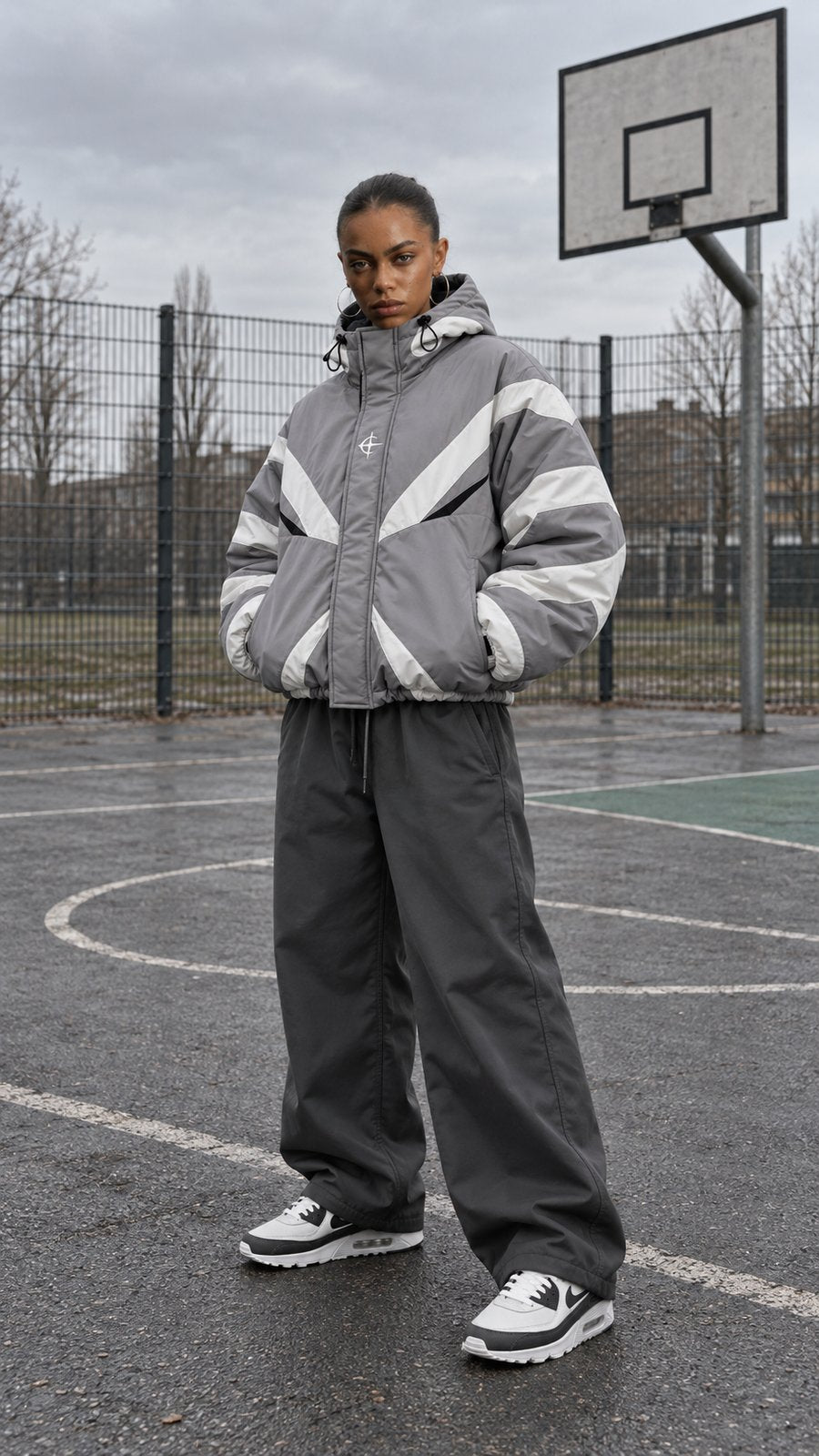
Texture Before Colour: Pairing Fleece With Smooth Shells
A fleece and a smooth shell create texture contrast without needing a second colour. The raised fleece surface absorbs and scatters light; the woven shell has a flatter face and often sharper highlights. Their edges remain visible even when both pieces are black.
The best combination also moves cleanly. Choose an outer layer that slides over the fleece without compressing the shoulders and arms.
Begin with surface, not shade
Run your fingers along a fleece sleeve and notice the pile. Now compare a tightly woven jacket panel. The difference is visible at close range and becomes pronounced where one sleeve exits the other. A soft raised surface beside a flatter surface separates the layers without a white stripe or an added accessory.
Look at the two in daylight from the same direction. A textured pile may look darker on one side as fibres face the light. Rotate the pieces before deciding that one has faded or that their colours do not belong together.
Keep the fleece in the insulating position
Fleece works as a mid layer because it traps air within its raised structure. An outer shell can block wind that would pass through a more porous fleece. Place the fleece close enough to your body to avoid large internal gaps while allowing movement.
A shell that is too narrow can flatten the loft and restrict the elbows. In the fleece jackets range, compare pile structure and fit with the jacket range before assuming two similarly labelled sizes will layer well.

Control the collar and cuff transitions
If the fleece collar rises above the shell, you gain one clear texture boundary at the neck. If both collars are tall and bulky, fabric can gather behind the jaw. Settle the inner collar flat first, then fasten the outer zip to the height you want.
At the wrist, keep the fleece cuff inside the shell sleeve. A narrow outer cuff may pull the fleece forward into a ridge. Raise your arms and check whether the inner cuff returns to its normal position.
Limit the number of competing surfaces
A raised fleece, quilted puffer and shiny accessory each introduce different textures. That may make a crowded upper body when the aim is a clear two-material contrast. Begin with fleece and one smooth outer layer, then decide whether anything else adds a useful edge.
Keep the trouser fabric simple while comparing the upper garments. This isolates texture from silhouette. A broad sleeve or bulky hem can dominate the result even when the fabrics are carefully chosen.

Observe the fabric after movement
Walk a short distance and take off the shell. If the fleece pile is flattened where the outer seam presses against it, the layers may fit too tightly. Brush the pile lightly with your hand and compare it with the uncompressed back panel.
Visible texture is useful only when the pieces remain practical. The reason to combine these surfaces is both visual separation and different layer functions. Neither function should be lost merely to make the colours match.
Use touch and sight together: lay a fleece beside a smooth jacket and view both under side light. The raised pile creates a soft, irregular shadow while the woven shell forms sharper highlights. In a layered outfit, the fabrics also slide against one another differently. Check that the fleece sleeve can move inside the shell without pulling its cuff back or bunching near the elbow.

Frequently Asked Questions
Can a fleece jacket go under a lightweight shell?
Yes, if the outer sleeve and body have room for it. Check movement at the shoulders and elbows.
Why does fleece look dull beside nylon?
Its raised fibres reflect light differently from a smooth woven face. The contrast is part of the material difference.
Does a shiny shell always provide rain protection?
No. Surface gloss does not prove a waterproof barrier, taped seams or a tested rating.
Can I use two textured mid layers together?
You can, but extra layers increase bulk. Check the armholes and collar before adding material.
Why does the fleece cuff bunch inside my jacket?
The outer opening may be too narrow or the fabrics may grip each other. Reset both cuffs and test reaching forward.
Related reading: Black and White Outfits: Control the Contrast Ratio and A Single Fir-Green Accent With a White Base.