22 Oct 2026
Oversized Is a Shape, Not Just a Larger Label
Oversized Is a Shape, Not Just a Larger Label
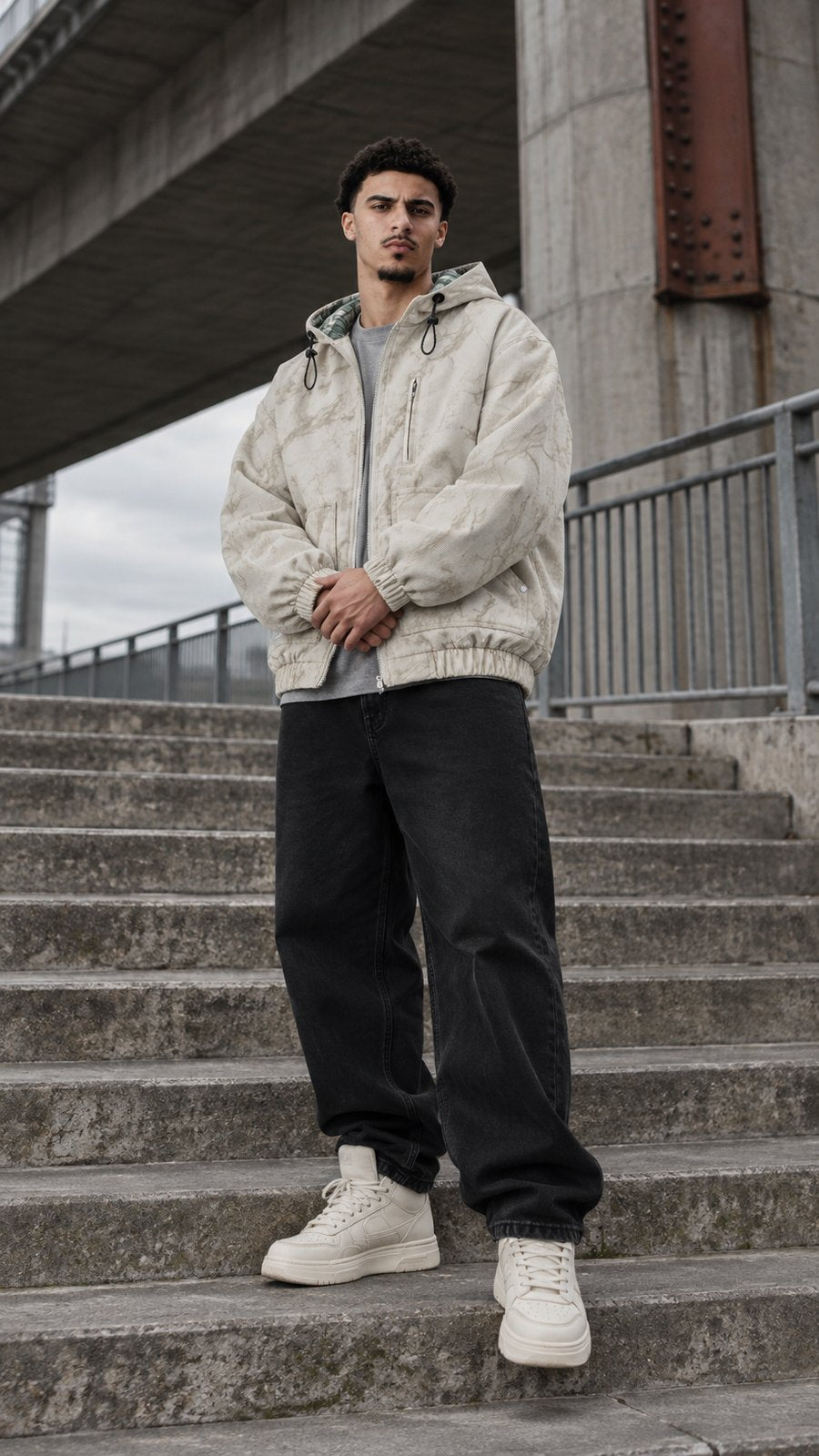
Oversized describes a designed shape, not an instruction to buy an ordinary garment several sizes too large. A deliberately oversized top can retain the intended neckline, sleeve fall and hem position while using extra width through selected areas.
Going up in a standard cut enlarges every graded dimension in a connected pattern. That can lower the neckline or lengthen the body in ways that were never part of the shape you wanted.
Separate design width from size increase
Compare a regular top and an oversized top in the same nominal size. The second may have a wider chest, a lower shoulder join or a shorter body for its width. These are pattern choices. Buying a larger regular garment can increase chest and length together, which changes the effect at the waist.
Lay the two pieces with their necklines aligned. Look at where the hem ends and how far the shoulder seam extends. If the oversized design stays short and wide, its proportions will not be reproduced merely by selecting a long larger top.
Check whether the neckline stays controlled
A well-integrated wide cut still has a neck opening that sits where it is meant to sit. If you size up aggressively, the collar may stand away from the neck and the hood can drag backward. Check whether the front neckline rides down when your arms move.
The same principle applies to jacket fronts. More chest space is not always useful if the collar and zip position no longer align. Width and anchoring points must be considered together.

Use the sleeve drop intentionally
A dropped shoulder seam can sit partway down the upper arm. Its full sleeve length starts from that lower point, so looking only at the sleeve seam can make it seem unusually short. Measure from the centre back of the neck across the shoulder and down to the cuff when comparing reach.
On the hoodies and sweaters page, compare garment measurements rather than assuming an oversized description predicts every sleeve length.
Notice how the garment behaves while seated
Sit on a chair in the top and let the hem settle. An enlarged regular cut may pool around the hip, while a short wide design can remain above the lap. Stand and reach forward. Look for excess fabric pulling under the upper arm or across the back.
A useful oversized shape has a movement pattern you can live with. It does not need to be the largest item on your body. The desired silhouette and the ability to move are separate decisions.

Build the rest of the outfit around the actual outline
Choose trousers and an outer piece by where the top ends, not by the size printed in its neck. A wider short top can meet the waistband cleanly; a long large top can cover more of the upper leg. Both combinations are valid, but they produce different divisions of the visible body.
Compare the intended outer layer through the jackets category only after checking the wide shoulder and upper-arm space. The top should slide underneath without trapping its dropped sleeve.

Frequently Asked Questions
Is an oversized fit always two sizes bigger?
No. There is no universal size conversion. The pattern may be designed with extra ease at one size rather than borrowed from a larger regular size.
Can an oversized hoodie have a short hem?
Yes. A generous body width and short length can coexist, creating a boxy oversized shape.
Why is a larger regular hoodie too long?
Standard grading often increases body length alongside width. The result may be long rather than deliberately square.
Does oversized mean the collar should hang loose?
No. Neckline design and torso ease are separate. A wide body can still have a controlled neck opening.
How can I compare oversized sleeves accurately?
Measure reach from the centre back neck to the cuff. This includes the amount of shoulder drop and prevents misleading seam-only comparisons.
Related reading: Boxy Versus Fitted: Read the Silhouette From a Distance and Measure a Hoodie Chest Without Guessing the Size.