12 Nov 2026
Front Zips and Chin Guards: Small Parts, Real Uses
Front Zips and Chin Guards: Small Parts, Real Uses
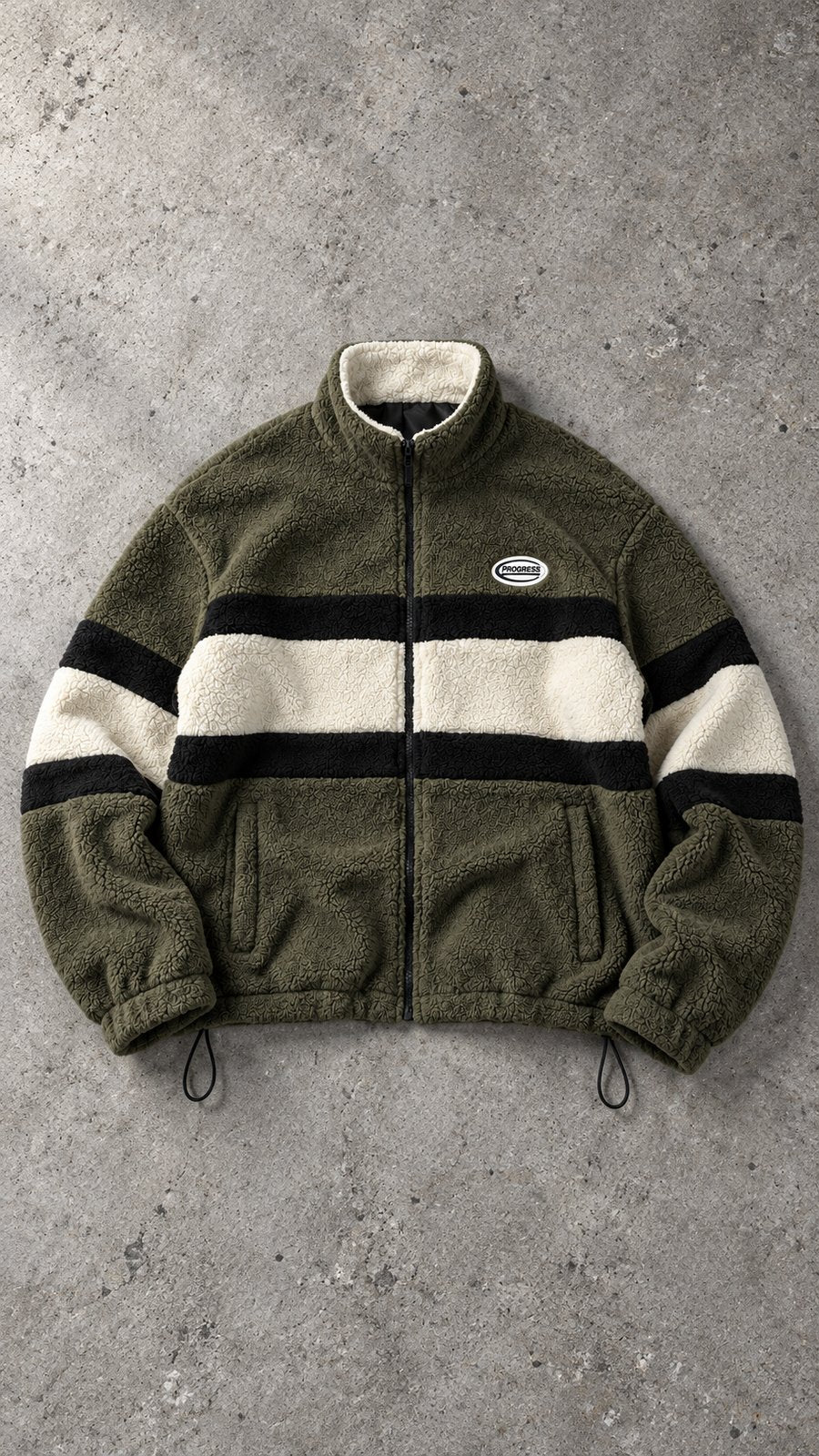
A front zip does more than close a jacket. Its tape, slider, top stop and covering fabric affect how the neckline moves. A chin guard is a small material shield between the slider area and the skin. It matters most when the jacket closes high.
Inspect the parts with the garment open, then fasten it slowly. A smooth zip is useful because the front panels meet without twisting or catching the lining.
Follow the zip from bottom to top
Look at the lower insertion point where the slider connects the two front edges. On a separating jacket zip, the pin and box need to align before you pull upward. If the front panels are uneven, stop and reset the base rather than forcing the slider.
Trace the tape alongside the teeth. It should lie flat against the cloth. A wavy tape can create puckering in the front even when the zip closes completely. The result is visible as ripples beside the centre line.
Check the guard at the neckline
Fasten the jacket toward the chin and inspect the small flap that covers the back or upper end of the zip. A well-positioned guard prevents direct contact between hard hardware and the neck. Its shape depends on the collar and how high the zip finishes.
Close only as high as feels comfortable. The existence of a guard does not mean the entire collar must sit against your chin. Check the fit while turning your head, especially when another layer sits beneath it.

Inspect fabric caught near the slider
Lightweight linings and inner storm flaps can fold into the zip path. Open the jacket fully and identify any loose fabric behind the teeth. When fastening, keep the inner fabric clear with your free hand rather than yanking the puller through resistance.
A snagged fabric flap can distort both the zip and lining. If the slider stops suddenly, reverse gently and release the trapped cloth. Continued force can worsen a small catch.
Read the zip line as part of the cut
On a high-collar jacket, the zip creates a vertical line from hem to neck. On a half-zip top, it stops on the chest and leaves the lower front uninterrupted. Those constructions frame the torso differently when worn open.
Compare pieces in the jackets collection with track tops and sets. The length of the opening changes ventilation and access as well as appearance, so choose it for the way you use the garment.

Test the hardware during movement
Zip the garment to your preferred height, sit and reach forward. Watch whether the bottom pulls against the hips or the top presses at the throat. These are fit issues rather than proof that a particular zip type is defective.
Close and open it at normal speed several times. The slider should travel without unusual force. A small component can dominate the experience of wearing an otherwise well-cut jacket, so examine it with the same care as seams and fabric.
Close the front zip slowly while wearing the top and stop near the throat. The chin guard should place fabric between skin and the slider without folding sharply into the neck. Check the top stop where the slider finishes, then open it with one hand. If the guard catches in the teeth, smooth it before pulling again. That small interaction matters more than the guard's appearance in a flat photograph.

Frequently Asked Questions
What is a chin guard on a jacket zip?
It is a protective fabric area near the top that separates zip hardware from the skin. It is especially relevant on high collars.
Why does the zip catch the lining?
Loose inner cloth may enter the slider path. Free it gently and keep the fabric clear while fastening.
Does a full zip make a jacket more windproof?
Closure can reduce the open front gap, but wind resistance also depends on fabric, collar, hem and any protective flaps.
Can a zip change the appearance of the chest?
Yes. An open zip exposes the inner layer while a closed one creates a continuous centre line.
Should I oil a stiff zip immediately?
First check alignment and fabric snags. Use only maintenance appropriate for the zip material and care guidance rather than applying an unknown substance.
Related reading: Puffer Loft Is Not the Same as Jacket Weight and Overlock and Flat Seams: What Is Under the Jacket?.